
Toowoomba painting guide
Paint Preparation and Repairs Toowoomba
Surface washing, scraping, filling, sanding, sealing and minor substrate preparation before coating.
Request a painter matchWe connect enquiries with independent painters.
We do not perform painting work.
House painting Toowoomba service planning
Interior painting, exterior painting and quote checks
Preparation is the visible foundation
Preparation planning should address preparation is the visible foundation before finish paint hides the evidence. Here, washing, scraping, sanding and priming determine whether a finish bonds. Have the painter inspect the surface after loose material is removed, then ask which observation supports the proposed repair or primer. Problems outside ordinary surface work should be identified rather than disguised as a generous preparation allowance.
A defensible written method will approve the prepared condition before it disappears beneath paint. It will also explain containment, drying, compatibility and the point at which a new defect triggers discussion. Compare the area and depth of preparation included by each provider. Inspect the repaired or stabilised surface before coating where practical, and retain the agreed method with completion photographs and product information.
Peeling and chalking
Preparation planning should address peeling and chalking before finish paint hides the evidence. Here, failed adhesion and powdery surfaces have causes that a topcoat will not remove. Have the painter map affected areas and test sound edges, then ask which observation supports the proposed repair or primer. Problems outside ordinary surface work should be identified rather than disguised as a generous preparation allowance.
A defensible written method will scope removal and stabilisation rather than promising a quick cover. It will also explain containment, drying, compatibility and the point at which a new defect triggers discussion. Compare the area and depth of preparation included by each provider. Inspect the repaired or stabilised surface before coating where practical, and retain the agreed method with completion photographs and product information.
Cracks and movement
Preparation planning should address cracks and movement before finish paint hides the evidence. Here, minor static cracks differ from openings that recur or indicate movement. Have the painter record width, location and history, then ask which observation supports the proposed repair or primer. Problems outside ordinary surface work should be identified rather than disguised as a generous preparation allowance.
A defensible written method will refer significant or moving defects before cosmetic filling. It will also explain containment, drying, compatibility and the point at which a new defect triggers discussion. Compare the area and depth of preparation included by each provider. Inspect the repaired or stabilised surface before coating where practical, and retain the agreed method with completion photographs and product information.
Moisture clues
Preparation planning should address moisture clues before finish paint hides the evidence. Here, stains, bubbling, mould and soft material can point to active water. Have the painter find and resolve the source first, then ask which observation supports the proposed repair or primer. Problems outside ordinary surface work should be identified rather than disguised as a generous preparation allowance.
A defensible written method will use stain blocking only after the substrate is suitably dry and stable. It will also explain containment, drying, compatibility and the point at which a new defect triggers discussion. Compare the area and depth of preparation included by each provider. Inspect the repaired or stabilised surface before coating where practical, and retain the agreed method with completion photographs and product information.
Timber defects
Preparation planning should address timber defects before finish paint hides the evidence. Here, open joints, split boards and local decay need different responses. Have the painter probe suspect areas and identify repair limits, then ask which observation supports the proposed repair or primer. Problems outside ordinary surface work should be identified rather than disguised as a generous preparation allowance.
A defensible written method will separate filling from carpentry or replacement in the quote. It will also explain containment, drying, compatibility and the point at which a new defect triggers discussion. Compare the area and depth of preparation included by each provider. Inspect the repaired or stabilised surface before coating where practical, and retain the agreed method with completion photographs and product information.
Render and masonry repairs
Preparation planning should address render and masonry repairs before finish paint hides the evidence. Here, porosity, efflorescence and cracking influence primer and coating choice. Have the painter check whether defects are stable and dry, then ask which observation supports the proposed repair or primer. Problems outside ordinary surface work should be identified rather than disguised as a generous preparation allowance.
A defensible written method will avoid sealing in moisture or masking unresolved movement. It will also explain containment, drying, compatibility and the point at which a new defect triggers discussion. Compare the area and depth of preparation included by each provider. Inspect the repaired or stabilised surface before coating where practical, and retain the agreed method with completion photographs and product information.
Metal surfaces
Preparation planning should address metal surfaces before finish paint hides the evidence. Here, rust and failed galvanised finishes require material-specific cleaning. Have the painter identify contamination and corrosion extent, then ask which observation supports the proposed repair or primer. Problems outside ordinary surface work should be identified rather than disguised as a generous preparation allowance.
A defensible written method will state treatment and compatible primer before finish coats. It will also explain containment, drying, compatibility and the point at which a new defect triggers discussion. Compare the area and depth of preparation included by each provider. Inspect the repaired or stabilised surface before coating where practical, and retain the agreed method with completion photographs and product information.
Dust and containment
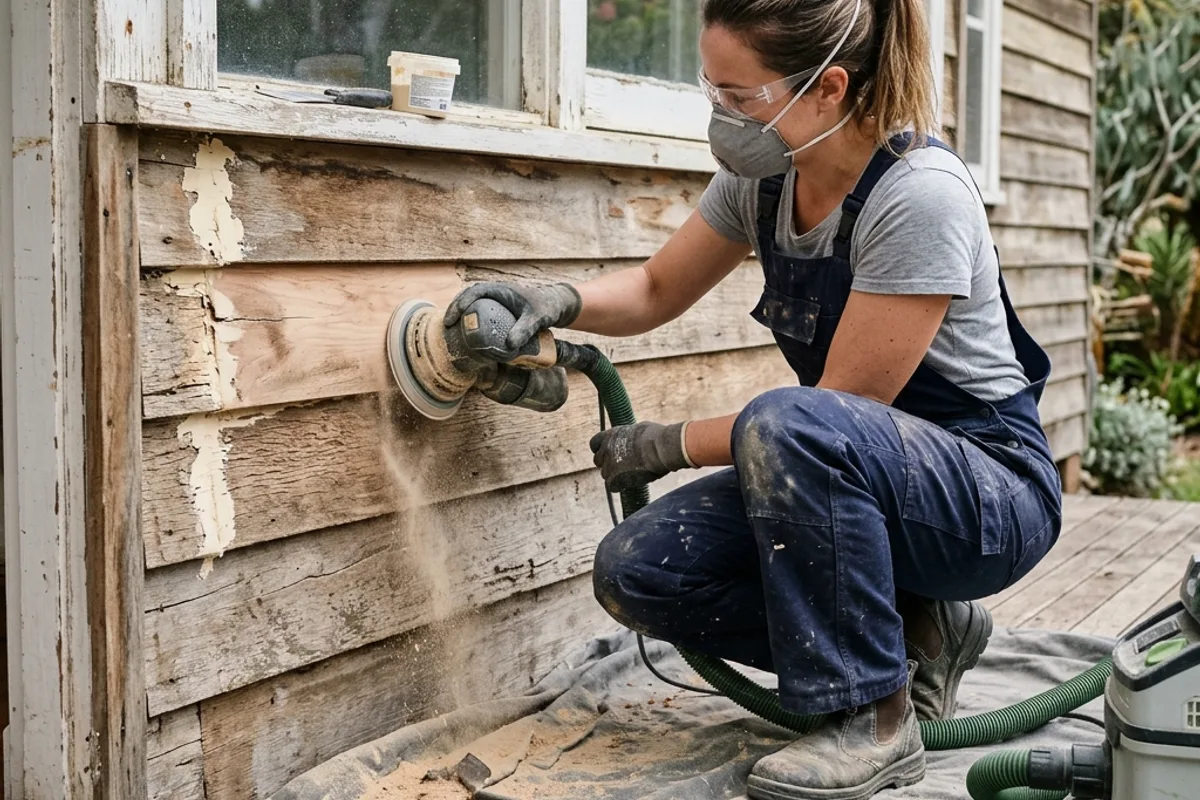
Preparation planning should address dust and containment before finish paint hides the evidence. Here, mechanical preparation can affect occupied rooms, neighbours and belongings. Have the painter plan isolation, extraction and cleanup, then ask which observation supports the proposed repair or primer. Problems outside ordinary surface work should be identified rather than disguised as a generous preparation allowance.
A defensible written method will agree where hazardous uncertainty requires specialist advice. It will also explain containment, drying, compatibility and the point at which a new defect triggers discussion. Compare the area and depth of preparation included by each provider. Inspect the repaired or stabilised surface before coating where practical, and retain the agreed method with completion photographs and product information.
Primer decisions
Preparation planning should address primer decisions before finish paint hides the evidence. Here, bare, stained, porous and glossy surfaces do not need the same base coat. Have the painter ask why each primer is proposed, then ask which observation supports the proposed repair or primer. Problems outside ordinary surface work should be identified rather than disguised as a generous preparation allowance.
A defensible written method will record product compatibility and recoat limits. It will also explain containment, drying, compatibility and the point at which a new defect triggers discussion. Compare the area and depth of preparation included by each provider. Inspect the repaired or stabilised surface before coating where practical, and retain the agreed method with completion photographs and product information.
Repair responsibility
Preparation planning should address repair responsibility before finish paint hides the evidence. Here, small cosmetic work can sit beside defects beyond a painter's ordinary scope. Have the painter mark included and excluded repairs on the inspection record, then ask which observation supports the proposed repair or primer. Problems outside ordinary surface work should be identified rather than disguised as a generous preparation allowance.
A defensible written method will obtain separate advice where structural or trade-specific work is needed. It will also explain containment, drying, compatibility and the point at which a new defect triggers discussion. Compare the area and depth of preparation included by each provider. Inspect the repaired or stabilised surface before coating where practical, and retain the agreed method with completion photographs and product information.
Comparing allowances
Preparation planning should address comparing allowances before finish paint hides the evidence. Here, one provider may include extensive preparation while another carries a small provisional sum. Have the painter compare quantities and assumptions, then ask which observation supports the proposed repair or primer. Problems outside ordinary surface work should be identified rather than disguised as a generous preparation allowance.
A defensible written method will require approval before an allowance becomes extra work. It will also explain containment, drying, compatibility and the point at which a new defect triggers discussion. Compare the area and depth of preparation included by each provider. Inspect the repaired or stabilised surface before coating where practical, and retain the agreed method with completion photographs and product information.
Prepared-surface review
Preparation planning should address prepared-surface review before finish paint hides the evidence. Here, final quality is easier to judge before colour and sheen distract from the base. Have the painter inspect repairs, edges and cleanliness, then ask which observation supports the proposed repair or primer. Problems outside ordinary surface work should be identified rather than disguised as a generous preparation allowance.
A defensible written method will keep photographs and the agreed method with handover records. It will also explain containment, drying, compatibility and the point at which a new defect triggers discussion. Compare the area and depth of preparation included by each provider. Inspect the repaired or stabilised surface before coating where practical, and retain the agreed method with completion photographs and product information.