
Toowoomba painting guide
House Painting Project Checklist
A planning aid only. Final products, quantities, costs and methods need property-specific assessment.
Request a painter matchWe connect enquiries with independent painters.
We do not perform painting work.
House painting Toowoomba planning tool
Interactive project checklist
0 of 10 completeHow this is calculated and method
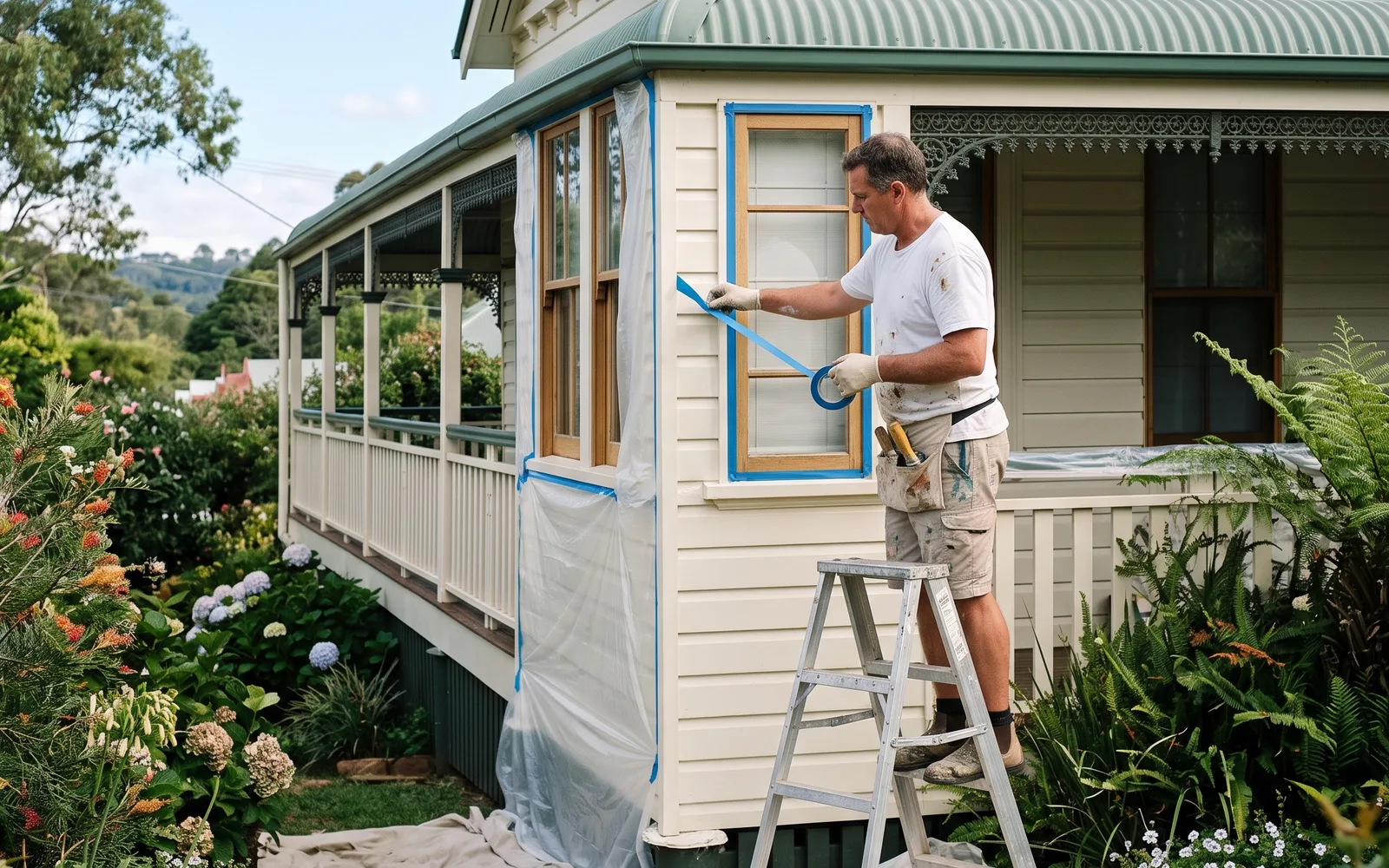
The checklist follows a repaint sequence: define surfaces, document defects, settle access, protect belongings, approve colours, confirm products, record exclusions and plan handover. Use it at the property. Note ceilings, doors, trim, eaves, windows, fences and detached structures. Photograph damage and identify rooms that must remain usable. Ask who moves furniture, removes hardware, protects gardens and manages cleanup.
At completion, compare work with the colour schedule and scope, then record touch-ups in suitable light. The checklist supports discussion but does not replace inspection or a contract. Confirm licensing guidance with the Queensland Building and Construction Commission.
Using the checklist on site
Begin outside and move through every room in a consistent direction. Mark surfaces that are excluded as clearly as those included. Open curtains and inspect walls in side light so patches, dents and sheen changes are visible. Check wet areas, window reveals and external junctions for moisture clues before describing them as paint defects. Record pets, children, work-from-home rooms, alarms and security needs that affect staging. Keep colour approvals, product names and agreed sample patches with the checklist so the final walkthrough has a single reference.
A complete checklist reduces forgotten edges and assumptions, but it cannot diagnose structural movement, active leaks, hazardous materials or electrical issues. Pause the painting scope and seek suitable advice when a defect sits outside ordinary surface preparation.